Common Signs Your Furnace Needs Repair
Recognizing the signs that your furnace requires repair is crucial for maintaining a comfortable home environment. Homeowners should be vigilant for unusual noises, inconsistent heating, or an increase in energy bills, as these can indicate underlying issues that need professional attention.
For example, if your furnace is making banging or squealing sounds, it may have mechanical problems that require immediate repair. Additionally, if certain rooms in your home are significantly colder than others, this could suggest airflow issues or ductwork problems that need to be addressed by a technician.
Benefits of Regular Furnace Maintenance
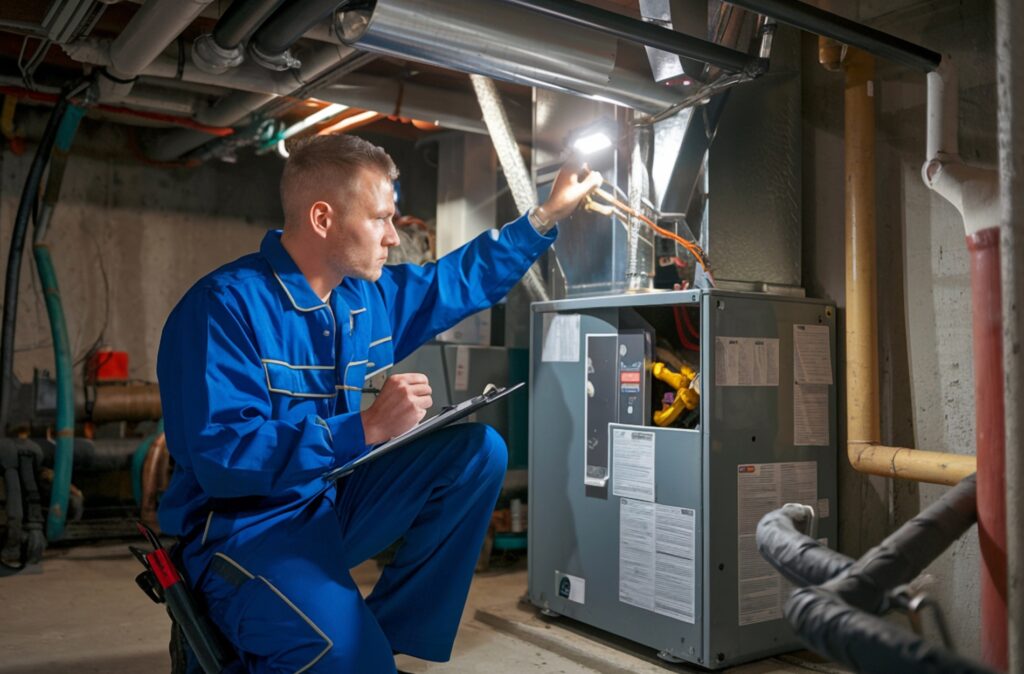
Regular maintenance of your furnace is essential for ensuring its efficiency and longevity. Scheduling annual check-ups can help identify potential issues before they escalate, saving homeowners money on costly repairs and improving the system's performance.
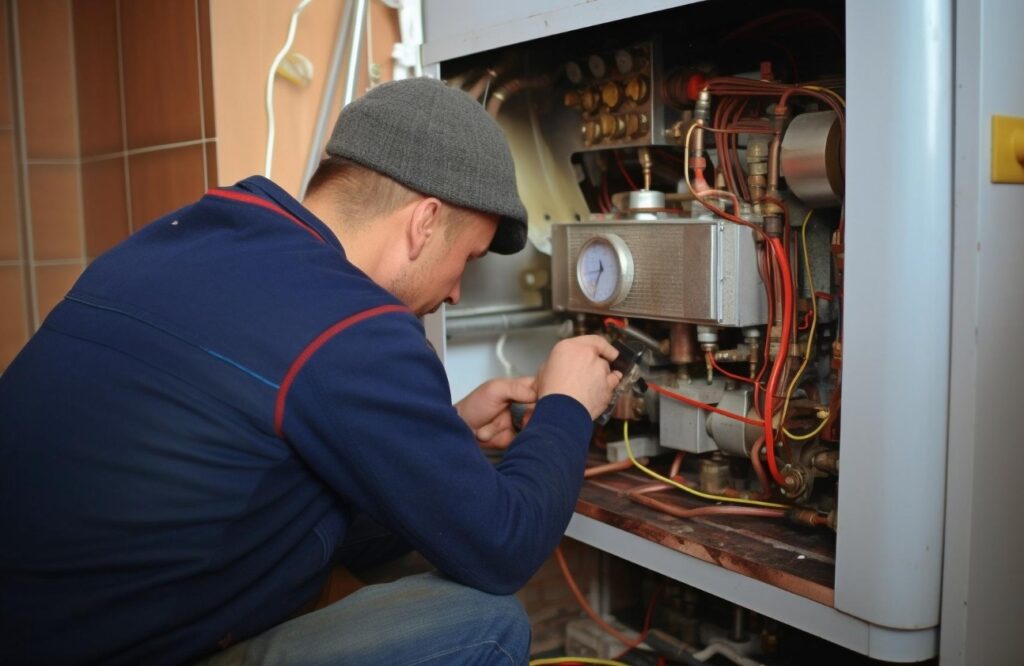
During maintenance visits, technicians typically clean components, check for leaks, and replace filters. This proactive approach not only enhances your furnace's efficiency but also improves indoor air quality, making your home healthier and more comfortable.
Energy Efficiency Tips for Your Furnace
Improving your furnace's energy efficiency can lead to significant savings on your utility bills. Homeowners can take several steps to enhance efficiency, such as sealing leaks in ductwork, using programmable thermostats, and ensuring proper insulation throughout the home.
For instance, setting your thermostat a few degrees lower during the winter months can reduce energy consumption without sacrificing comfort. Additionally, upgrading to a high-efficiency furnace can provide long-term savings and reduce your carbon footprint.
Understanding Furnace Ratings and Efficiency Standards
Furnace ratings and efficiency standards are vital for homeowners looking to purchase or upgrade their heating systems. The Annual Fuel Utilization Efficiency (AFUE) rating indicates how efficiently a furnace converts fuel into heat, with higher ratings signifying better efficiency.
For example, a furnace with an AFUE rating of 90% means that 90% of the fuel consumed is converted into usable heat, while the remaining 10% is lost. Understanding these ratings can help homeowners make informed decisions when selecting a furnace that meets their heating needs and budget.
Common Signs Your Furnace Needs Repair
Recognizing the signs that your furnace requires repair is crucial for maintaining a comfortable home environment. Homeowners should be vigilant for unusual noises, inconsistent heating, or an increase in energy bills, as these can indicate underlying issues that need professional attention.
For example, if your furnace is making banging or squealing sounds, it may have mechanical problems that require immediate repair. Additionally, if certain rooms in your home are significantly colder than others, this could suggest airflow issues or ductwork problems that need to be addressed by a technician.
Benefits of Regular Furnace Maintenance
Regular maintenance of your furnace is essential for ensuring its efficiency and longevity. Scheduling annual check-ups can help identify potential issues before they escalate, saving homeowners money on costly repairs and improving the system's performance.
During maintenance visits, technicians typically clean components, check for leaks, and replace filters. This proactive approach not only enhances your furnace's efficiency but also improves indoor air quality, making your home healthier and more comfortable.
Energy Efficiency Tips for Your Furnace
Improving your furnace's energy efficiency can lead to significant savings on your utility bills. Homeowners can take several steps to enhance efficiency, such as sealing leaks in ductwork, using programmable thermostats, and ensuring proper insulation throughout the home.
For instance, setting your thermostat a few degrees lower during the winter months can reduce energy consumption without sacrificing comfort. Additionally, upgrading to a high-efficiency furnace can provide long-term savings and reduce your carbon footprint.
Understanding Furnace Ratings and Efficiency Standards
Furnace ratings and efficiency standards are vital for homeowners looking to purchase or upgrade their heating systems. The Annual Fuel Utilization Efficiency (AFUE) rating indicates how efficiently a furnace converts fuel into heat, with higher ratings signifying better efficiency.
For example, a furnace with an AFUE rating of 90% means that 90% of the fuel consumed is converted into usable heat, while the remaining 10% is lost. Understanding these ratings can help homeowners make informed decisions when selecting a furnace that meets their heating needs and budget.