Understanding Furnace Efficiency Ratings
Furnace efficiency ratings are critical for homeowners looking to reduce energy costs and minimize environmental impact. These ratings, typically represented as Annual Fuel Utilization Efficiency (AFUE) percentages, indicate how effectively a furnace converts fuel into heat. Higher AFUE ratings mean greater efficiency, which can lead to significant savings on energy bills over time.
For example, a furnace with an AFUE rating of 90% converts 90% of the energy it uses into heat, while the remaining 10% is lost. By choosing a high-efficiency furnace, homeowners not only enjoy lower utility bills but also contribute to a reduced carbon footprint. It’s essential to consider these ratings when evaluating replacement options to ensure optimal performance.
Maintenance Tips for Prolonging Furnace Lifespan
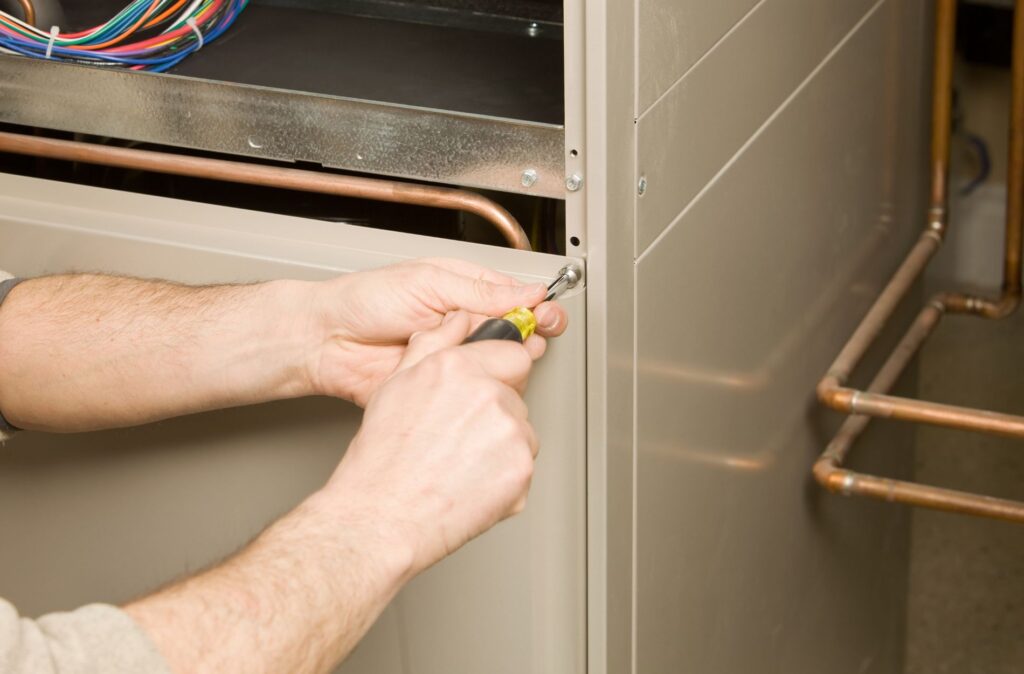
Regular maintenance is key to extending the lifespan of your furnace and ensuring it operates efficiently. Simple tasks such as changing the air filter every few months, keeping the area around the furnace clean, and scheduling annual professional inspections can prevent common issues and costly repairs. These practices help maintain optimal airflow and reduce the strain on the system.
Additionally, homeowners should pay attention to unusual noises or odors, as these can indicate underlying problems that require immediate attention. Investing in regular maintenance not only enhances performance but also provides peace of mind, knowing that your heating system is in good working order, especially during the colder months.
Benefits of Upgrading to a Smart Thermostat
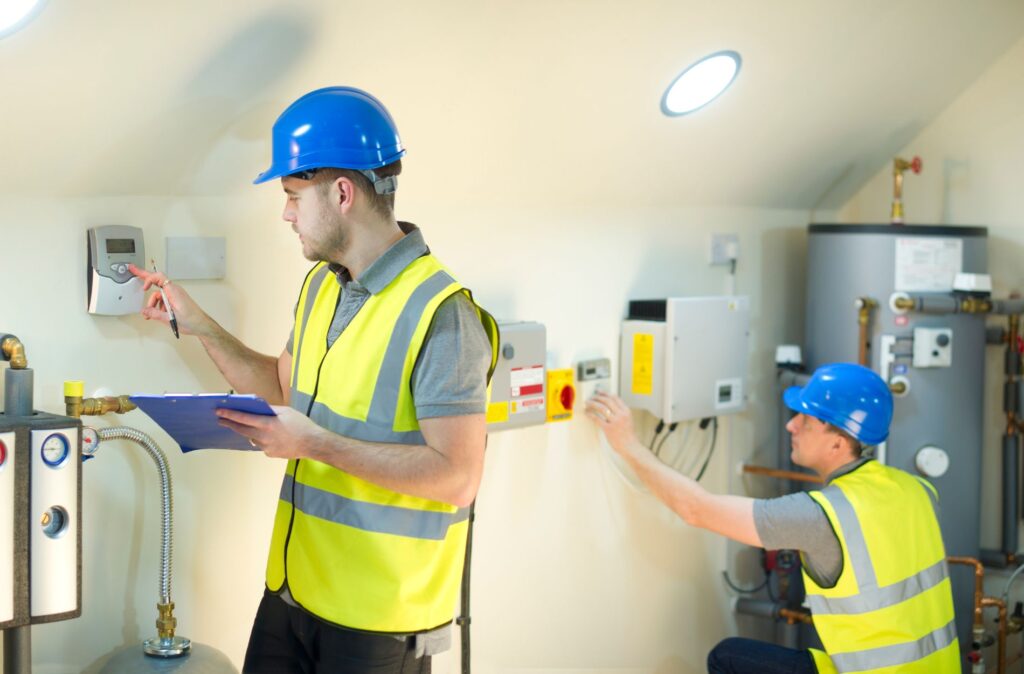
Upgrading to a smart thermostat can significantly enhance the efficiency and convenience of your heating system. These devices allow homeowners to control their furnace remotely via smartphones, enabling precise temperature adjustments and scheduling that align with their lifestyle. This capability can lead to substantial energy savings by optimizing heating patterns based on occupancy.
Moreover, smart thermostats often feature learning capabilities, adapting to your preferences over time and providing insights into energy usage. Some models can even integrate with other smart home devices, creating a comprehensive home automation system. By making this upgrade, homeowners can enjoy a more comfortable living environment while reducing energy consumption.
Emergency Furnace Repair: What to Do When Your Furnace Fails
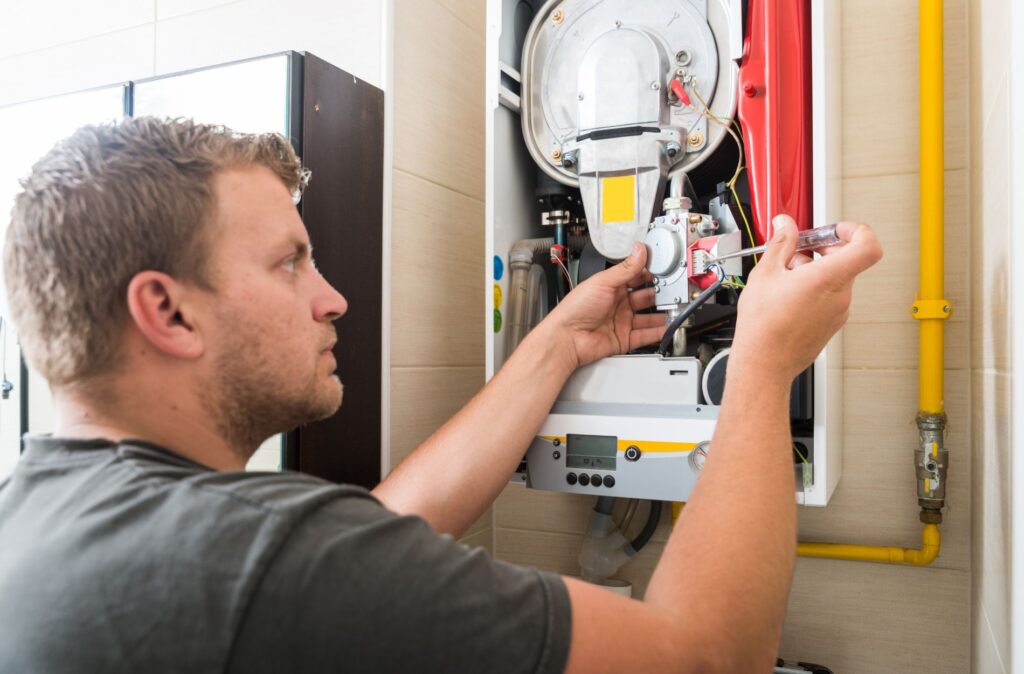
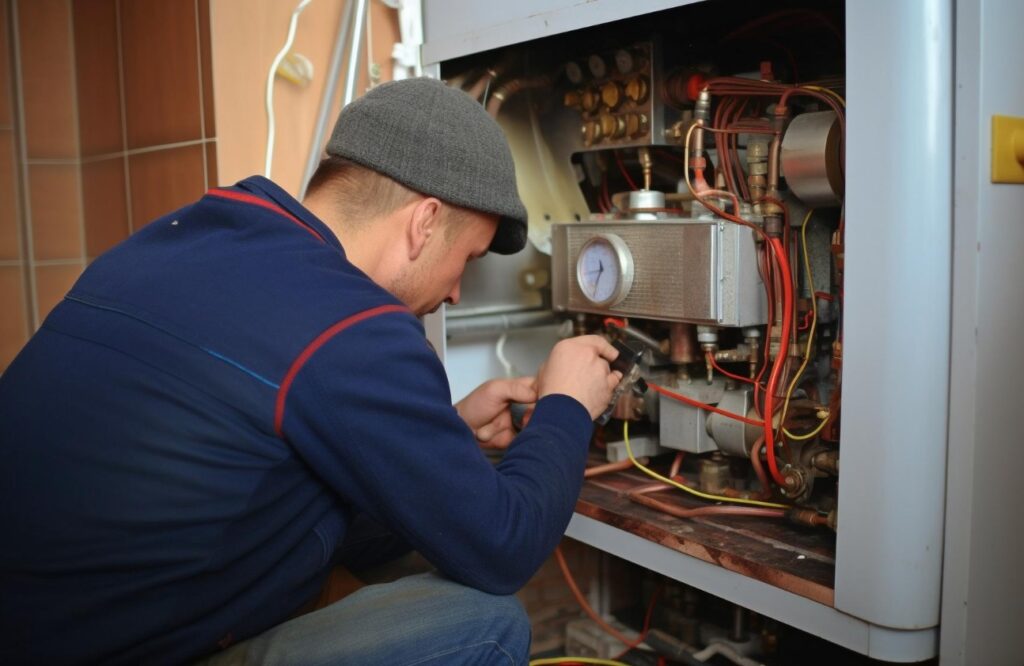
Experiencing a furnace failure can be distressing, especially during the winter months. Knowing how to respond in such situations is crucial to ensure safety and minimize discomfort. The first step is to check the thermostat settings and ensure that the furnace is receiving power. If the issue persists, it may be necessary to turn off the unit and contact a professional for emergency repair services.
In the meantime, homeowners can take measures to stay warm, such as using space heaters safely and ensuring that doors and windows are sealed to retain heat. Understanding common signs of furnace failure, such as strange noises or inconsistent heating, can help in communicating the problem effectively to a technician, leading to quicker resolutions and restoring comfort to your home.