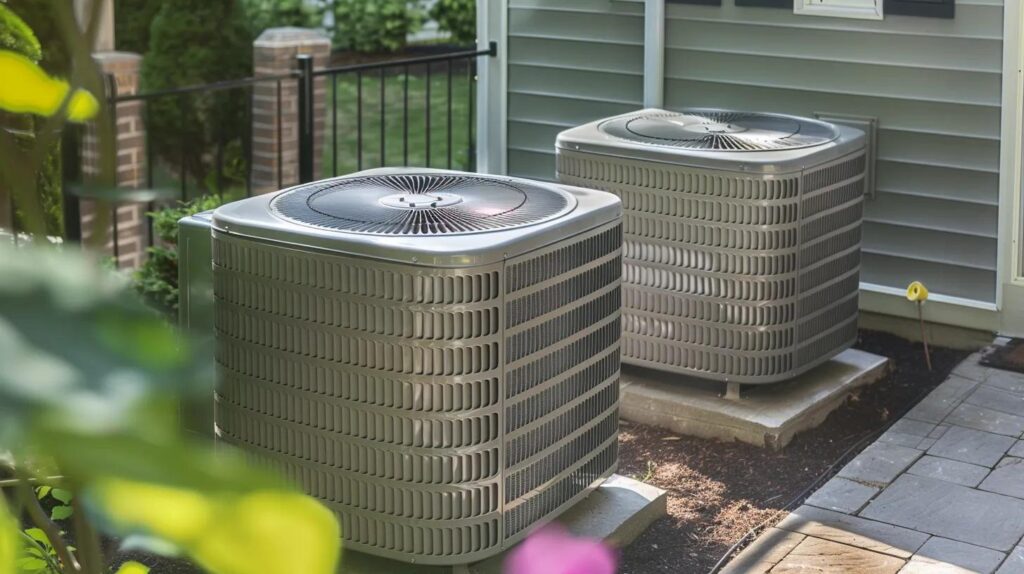


HVAC Tune-Ups: Your Essential Guide to Keeping Your System Running Smoothly
Keeping your HVAC system in top shape slashes energy waste, sidesteps unexpected breakdowns, and can even add up to 15 years to its lifespan when you’re consistent. This guide will show you why regular check-ups are your ticket to saving money and breathing cleaner air. You’ll learn how to handle some basic DIY tasks safely, when it’s time to call in the pros at Leyva Refrigeration LLC, and how to get your system ready for Arizona’s demanding seasons. We’ll also tackle common hiccups, explore smart upgrades for better efficiency, and answer your burning questions about HVAC care. By following these HVAC maintenance tips, homeowners and businesses in Nogales, Sahuarita, Tubac-Tumacacori-Carmen, Patagonia, and Rio Rico can count on reliable comfort all year long.
Why Regular HVAC Tune-Ups Matter for Efficiency and System Health
Routine HVAC maintenance is all about proactively inspecting, cleaning, and servicing your heating and cooling equipment to keep it running at its best. This means less energy used, fewer costly repairs, and a longer-lasting system. When your system isn’t fighting against blocked airflow or refrigerant issues, it operates more efficiently, potentially saving you up to 30 percent on energy bills and extending its life by a decade. For Arizona homes dealing with intense heat, these preventative steps are the bedrock of comfortable indoor living and lower operating expenses.
Consistently swapping out filters, cleaning coils, and checking refrigerant levels makes a real difference in efficiency, preventing unnecessary strain on your compressor and motors. Understanding how these parts work together highlights why even small problems, like a clogged drain line, can quickly snowball into major issues. Up next, we’ll dive into the specific perks you’ll enjoy with a solid maintenance plan.
What Are the Main Perks of Consistent HVAC Maintenance?
Regular HVAC tune-ups offer four key advantages:
- Boosted energy efficiency thanks to clean coils and clear airflow.
- Extended system lifespan by minimizing wear and tear on mechanical parts.
- Fresher indoor air quality from clean filters and sanitized components.
- Reduced chance of emergency breakdowns through early detection of potential problems.
Together, these benefits protect your comfort, cut down on unexpected repair bills, and keep your utility costs predictable. Regular service calls also confirm your system is operating safely, ensuring electrical connections and combustion areas meet all necessary standards before extreme weather hits.
How Does HVAC Maintenance Help Improve Your Indoor Air?
HVAC maintenance cleans out the dust, pollen, and other buildup that can collect in your filters, coils, and ductwork. When these contaminants pile up, your system’s blower has to work harder, pushing allergens and particles throughout your home or office. By regularly changing filters, cleaning evaporator coils, and checking your ducts, you’re promoting healthier air and reducing triggers for respiratory issues. A clean system also helps manage humidity, discouraging mold growth and protecting your home’s structure.
How Often Should Your HVAC System Get Serviced in Arizona’s Climate?
Most HVAC systems in Arizona do best with service twice a year—once in the spring to get ready for cooling season and again in the fall to prepare for heating. This schedule lines up perfectly with the drastic temperature shifts, ensuring your refrigerant levels, airflow, and safety features are dialed in before you need them most. Leyva Refrigeration LLC suggests booking your tune-ups at least six weeks before the summer heat or winter chill sets in to ensure you can get a convenient appointment and a thorough system check.
Top DIY HVAC Maintenance Tips for Homeowners
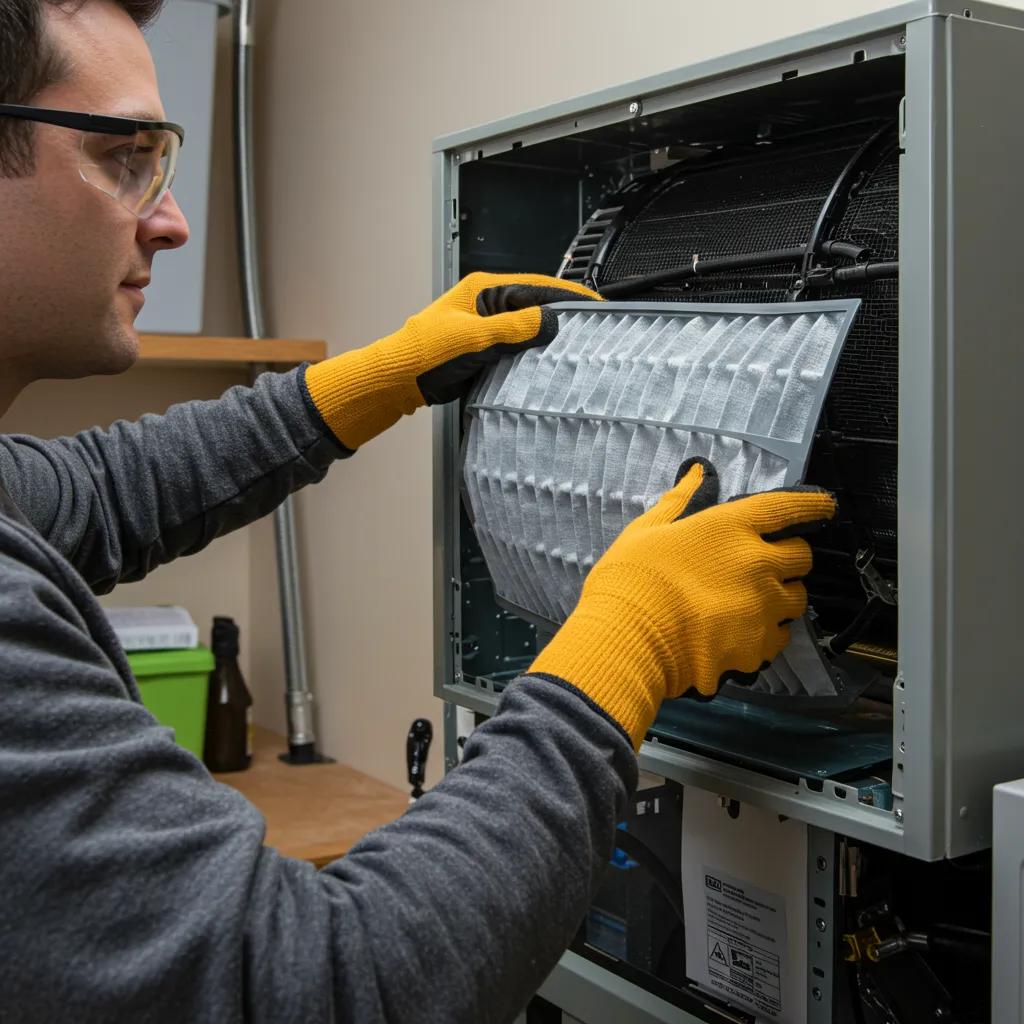
Empowering yourself with DIY HVAC maintenance lets you handle basic upkeep between professional visits while staying safe. Simple tasks like changing filters and tidying up your outdoor unit can boost efficiency. Just remember to always use the right tools and follow manufacturer instructions to avoid causing damage. Here are some key tasks you can tackle every few months.
Before you start any DIY job, always shut off the power at the breaker and wear protective gloves and eyewear.
- Swap out your air filters every 60–90 days to keep airflow strong and trap dust effectively.
- Clear away any debris from your outdoor condenser unit, ensuring at least 2 feet of clear space all around it.
- Adjust your thermostat settings and calibrate them for energy-saving cycles that make sense for your schedule.
- Pour a cup of vinegar down your condensate drain line to prevent clogs and potential water damage.
- Check visible duct connections and seals for any leaks, patching them up with foil tape if you find any.
Keeping up with these steps will improve your comfort and energy savings until it’s time for your next professional inspection.
How to Swap Out Your HVAC Air Filters: A Simple Guide
Replacing your air filter stops dust buildup that restricts airflow and makes your blower motor work harder. Here’s how to do it:
- Turn off the power to your HVAC system at the service switch.
- Gently slide out the old filter, paying attention to the direction of the airflow arrow.
- Slide in a new filter of the correct MERV rating, making sure the airflow arrow points in the right direction.
- Turn the power back on and reset any filter reminder settings on your smart thermostat.
You can complete this quick task in under five minutes, keeping your system clean and running efficiently.
How to Safely Clean Your Outdoor AC Unit
Cleaning your condenser unit involves carefully removing debris to protect the delicate fins and maintain good airflow. Start by shutting off the power at the disconnect box. Use a soft brush to gently sweep away leaves, twigs, and dust. Then, rinse the fins with a garden hose on a low-pressure setting, being careful not to blast the fins directly. Restoring proper airflow helps prevent overheating and efficiency loss, setting your system up for reliable cooling during Arizona’s hot summers.
How to Set Your Thermostat for Maximum Energy Savings
Programming your thermostat based on when you’re home or away can cut energy use by up to 10 percent. Set your cooling to 75°F when you’re home and raise it to 82°F when you leave. For heating, set it to 68°F at night and 72°F during the day. Upgrading to a smart thermostat offers even more benefits, like remote control, intelligent learning features, and adjustments based on utility rates, which can further reduce your energy bills while keeping you comfortable.
What’s the Best Way to Clear Out Condensate Drain Lines?
Clogged condensate lines can lead to water backup, mold growth, and potential water damage. Use a paperclip to clear the drain pan’s access hole, then pour about a cup of distilled white vinegar into the drain opening. Let it sit for about 30 minutes, then flush it with warm water. This simple vinegar treatment helps dissolve buildup and prevents future clogs, protecting your AC’s internal components and your home’s structure.
When Should You Skip the DIY and Call a Pro?
Steer clear of DIY when it comes to handling refrigerant, diagnosing electrical issues, or dealing with compressor problems. These jobs require EPA-certified technicians, specialized tools, and strict safety measures. If you suspect refrigerant leaks, notice burnt-out components, or hear unusual vibrations, calling Leyva Refrigeration LLC ensures the work is done safely, correctly, and in compliance with all regulations, protecting your system’s warranty and your family’s safety.
What Professional HVAC Maintenance Services Does Leyva Refrigeration LLC Offer?
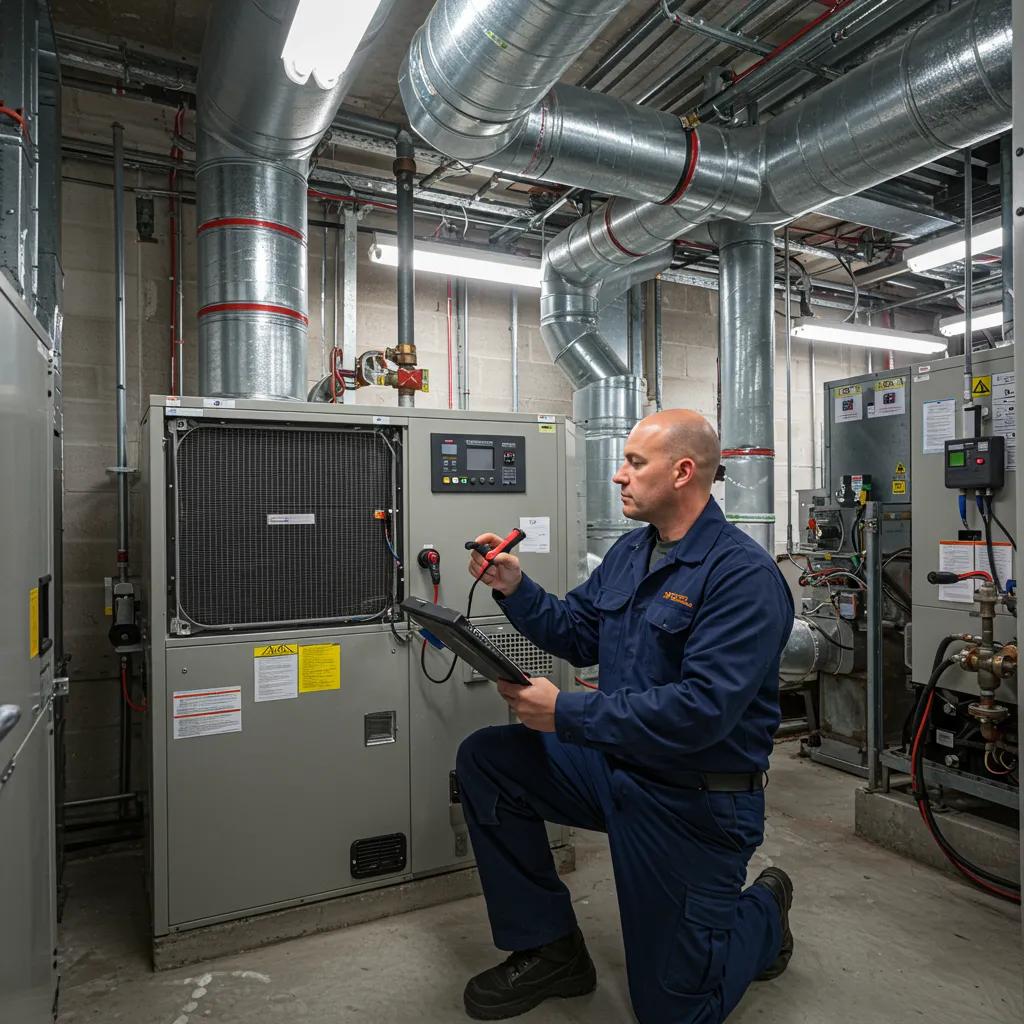
Leyva Refrigeration LLC provides comprehensive maintenance services that include advanced diagnostics, skilled technicians, and genuine parts to keep your system in peak condition. Whether it’s an annual tune-up or an emergency repair, our local team serves Nogales, Sahuarita, Tubac-Tumacacori-Carmen, Patagonia, and Rio Rico with fast, dependable service that meets all building codes and safety standards. Understanding each service we offer will show you how professional expertise prevents breakdowns and extends your equipment’s life.
What’s Involved in an Annual HVAC Tune-Up?
An annual HVAC tune-up includes a thorough check of electrical connections, motor lubrication, filter inspection, and thermostat calibration. Our technicians measure refrigerant pressures, test safety controls, and clean coils to restore the system to its original performance levels. This process helps catch potential issues early, preventing unexpected downtime and ensuring consistent efficiency through all seasons.
How Do Pros Check Refrigerant Levels and Find Leaks?
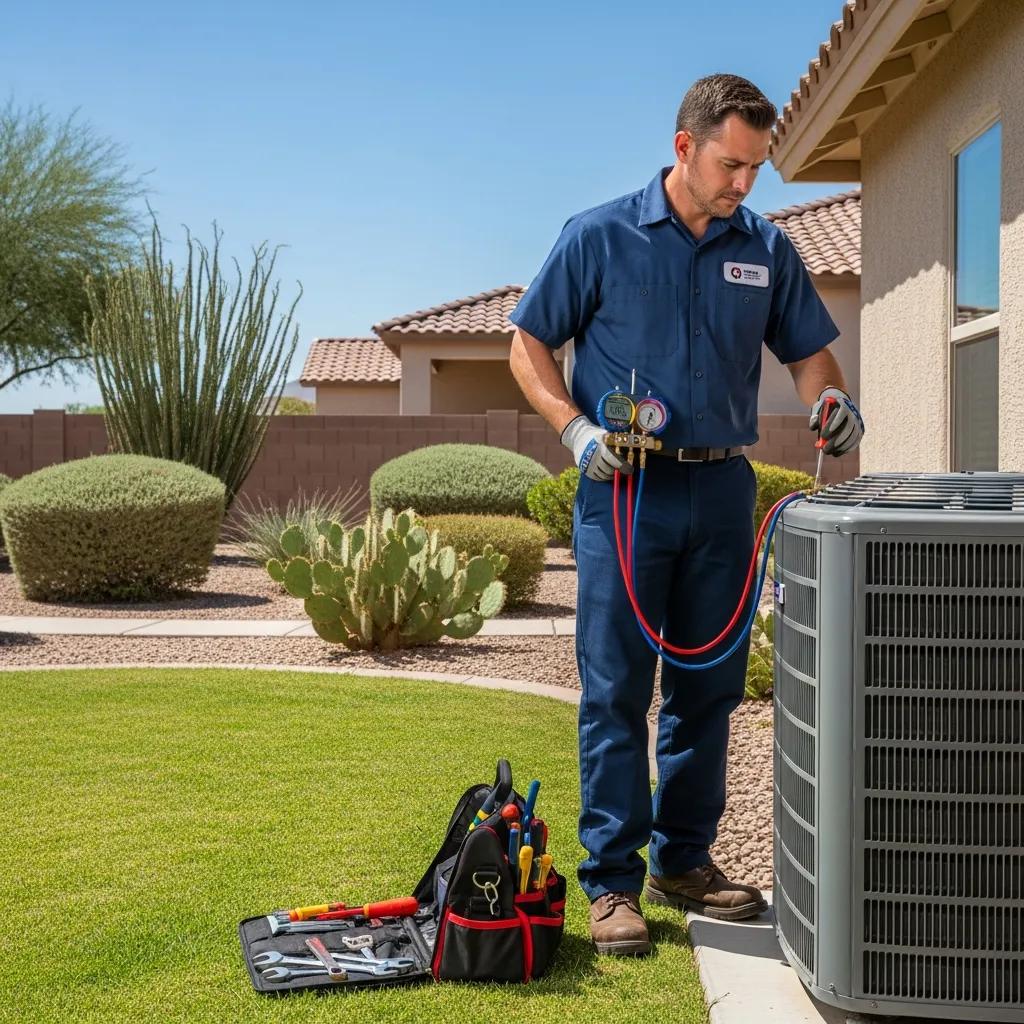
Certified technicians connect precision gauges to the system’s service ports and compare the readings to the manufacturer’s specifications. They use electronic leak detectors and UV dyes to pinpoint even tiny leaks in coils or fittings. Having the correct refrigerant charge is crucial for optimal cooling performance, preventing compressor strain and avoiding environmental harm from improper levels. Ac repair is an essential service to ensure that your system operates efficiently.
Why Is Cleaning Your Coils So Important for HVAC Efficiency?
Your evaporator and condenser coils are responsible for transferring heat between the refrigerant and the air. When they get covered in dirt, heat transfer suffers significantly. Professional coil cleaning uses special foaming agents and low-pressure rinsing to remove embedded grime. Clean coils reduce the workload on your compressor, lower energy use, and help maintain consistent indoor temperatures with fewer cycles.
How Does Ductwork Inspection Boost System Performance?
Duct inspections assess the integrity of seals, the condition of insulation, and airflow velocity. Technicians use smoke or airflow meters to identify leaks and blockages, then apply sealing compounds or replace damaged sections. Properly sealed and insulated ducts ensure conditioned air reaches its intended destination, reducing energy loss and improving overall comfort throughout your property.
What Are the Advantages of HVAC Maintenance Plans?
Maintenance plans bundle your scheduled tune-ups into convenient packages that offer priority scheduling, discounts on parts, and waived diagnostic fees. These plans ensure you receive consistent expert service, protect you from price increases, and provide peace of mind knowing your system is getting the attention it needs before small problems turn into expensive repairs.
How to Get Your HVAC System Ready for Arizona’s Seasons
Preparing your HVAC system for the changing seasons means tailoring maintenance to Arizona’s extreme climate, ensuring your cooling system can handle the summer heat and your heating system can tackle the winter chill. A two-part seasonal checklist will help you schedule the right tasks at the right time for optimal performance.
| Season | Key Preparation Steps | Purpose |
|---|---|---|
| Spring (Cooling) | Replace filters, clean condenser coils, check refrigerant charge | Ensure peak cooling performance before the summer heat arrives |
| Autumn (Heating) | Inspect furnace burners, test heat exchanger, calibrate thermostat | Confirm safe and efficient heating for the cooler months |
Essential Spring AC Prep Tips for Hot Summers
Spring preparation focuses on cleaning condenser units, verifying refrigerant levels, and replacing filters to clear out winter dust. Clearing vegetation away from the outdoor unit is vital for unobstructed airflow, while measuring coil temperature differences confirms effective heat transfer. These steps ensure your AC can handle peak demand without overworking the compressor.
How to Do Fall Heating System Checks for Colder Winters
Fall checks involve inspecting burner flames for the correct color, testing limit switches, and verifying pilot or electronic ignition systems. Cleaning heat exchanger surfaces removes soot buildup that can hinder heat transfer and pose safety risks. Final thermostat calibration ensures accurate temperature control as nighttime temperatures drop.
How Does Dust Affect HVAC Systems in Dry Climates?
Dust in arid climates can quickly clog coils and filters, forcing your blower motor to work harder and increasing energy costs. Installing high-efficiency pre-filters on your return grilles and scheduling more frequent filter changes can help combat this. Special dust-resistant coatings for coils and smart landscaping choices, like using gravel beds around outdoor units, can also minimize airborne particle intrusion.
Common HVAC Problems and How to Troubleshoot Them
Identifying and fixing common HVAC issues can save you time and money by addressing problems directly before you need to call a professional. Understanding the root causes helps you decide when a technician’s expertise is truly necessary.
How to Diagnose Strange HVAC Noises and When to Call a Technician
Unusual noises like banging, squealing, or rattling often point to mechanical wear—loose fan belts, failing bearings, or debris hitting fan blades. Rattling sounds might mean loose panels, while high-pitched squeals usually indicate motor bearings need lubrication or replacement. If the noise continues after simple checks and tightening, having a technician assess it can prevent further component damage and ensure safe operation.
What Are the Signs and Effects of Refrigerant Leaks?
Refrigerant leaks typically show up as reduced cooling power, ice forming on the evaporator coils, and hissing sounds near the service ports. Leaks not only impact your comfort but also put extra strain on the compressor and can harm the environment. Prompt leak detection and professional repairs are essential to maintain efficiency and comply with EPA regulations.
How to Fix Poor Airflow from Dirty Ducts or Blocked Vents
Weak airflow is often caused by clogged filters, blocked return vents, or dusty duct interiors. Start by replacing your filters and vacuuming accessible registers. If the problem persists, professional duct cleaning using specialized equipment can restore full airflow and balance the system.
What Causes Frequent System Cycling and How to Address It?
Short-cycling, where your system turns on and off rapidly, can be due to oversized equipment, low refrigerant, or a faulty thermostat. Confirming the correct system size, ensuring proper refrigerant levels, and replacing thermostat batteries or sensors usually resolves this issue and prevents premature wear on your components.
How to Save Money and Energy with HVAC Maintenance
Investing in regular HVAC maintenance leads to immediate and long-term savings by lowering utility bills, preventing costly breakdowns, and extending your system’s lifespan. Combining preventative service with smart upgrades ensures you get the most value for your investment.
What Energy-Efficient HVAC Upgrades Are Worth Considering?
Upgrading to high-SEER air conditioners, variable-speed furnaces, and smart thermostats can significantly boost efficiency. The table below compares popular upgrades, showing their efficiency improvements and typical payback periods.
| Upgrade | Improvement Metric | Average Payback |
|---|---|---|
| High-SEER AC (16+ SEER) | Up to 20% energy savings | 3–5 years |
| Variable-Speed Furnace | 5–15% fuel savings | 4–6 years |
| Smart Thermostat Installation | 8–12% utility reduction | 1–2 years |
How Does Regular Maintenance Lower Your Energy Bills?
Clean filters and coils reduce pressure drops, allowing your compressor and blower to run less often while still providing the same level of comfort. Proper refrigerant charge prevents short-cycling and high energy draw, while sealed ductwork minimizes the loss of conditioned air. Together, these factors can cut your monthly energy costs by up to 30 percent.
What’s the Connection Between HVAC Maintenance and System Lifespan?
Proactive maintenance addresses minor issues, like worn belts and loose wiring, before they lead to major failures. By reducing mechanical stress through consistent cleaning, lubrication, and adjustments, systems can often operate reliably for 20 years or more, exceeding their typical 10–15 year lifespan with expert care.
Conclusion
Regular HVAC tune-ups are essential for maximizing energy efficiency, extending system lifespan, and ensuring cleaner indoor air quality. By investing in consistent maintenance, homeowners can prevent costly repairs and enjoy reliable comfort throughout the year. Don’t wait for a breakdown—schedule your HVAC service with Leyva Refrigeration LLC today to keep your system running smoothly. Explore our range of professional services tailored to meet your needs and enhance your home’s comfort.