

Top Ways to Improve Indoor Air Quality at Home with Effective HVAC Air Quality Solution
Indoor air quality (IAQ) is essential to a healthy home. Poor IAQ can cause respiratory problems, allergies, and general discomfort. At Leyva Refrigeration LLC, we outline practical measures homeowners can adopt—air purification, ventilation, and routine maintenance—to improve IAQ. We describe methods and their benefits, explain the role of HVAC systems in air quality, and offer professional services to help optimize your home’s air quality.
Techniques:
Improving indoor air quality requires practical techniques that integrate with your home systems. These measures improve the air you breathe and enhance overall comfort.
Install Air Purifiers:
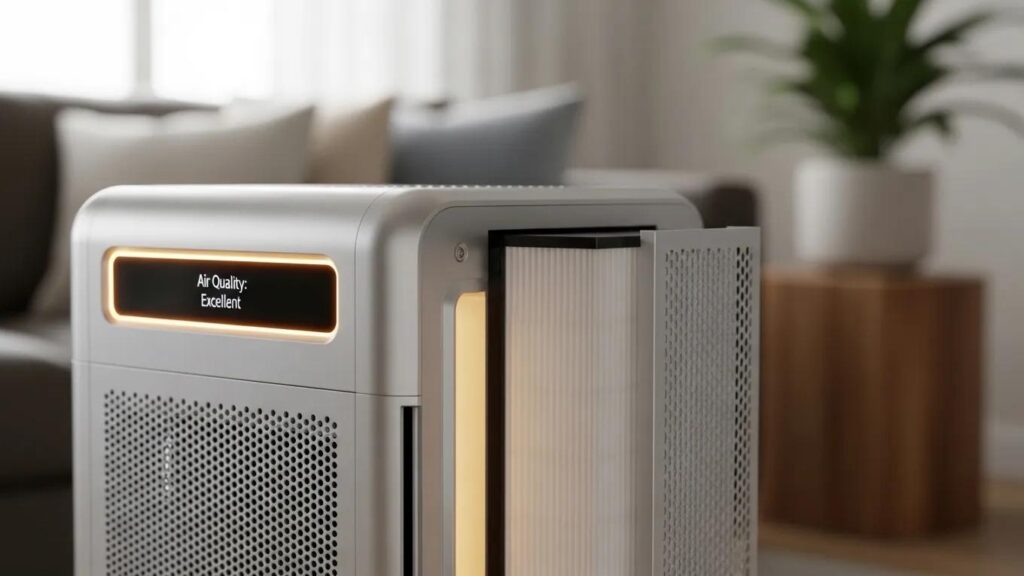
Air purifiers remove allergens and airborne pollutants by filtering particles such as dust, pollen, and pet dander. HEPA (high-efficiency particulate air) filters are highly effective, capturing up to 99.97% of particles down to 0.3 microns. Regular maintenance, including filter replacement every three to six months, preserves performance. We at Leyva Refrigeration LLC offer HVAC air-purification options tailored to your household requirements.
When choosing a purifier, consider whether you need a portable room unit or a whole-house solution that integrates with your HVAC system. Portable units are convenient for targeted spaces such as bedrooms and living rooms, while whole-house systems treat all circulated air and reduce maintenance steps. Placement matters: place portable purifiers away from walls and obstructions, ideally in the breathing zone or near pollution sources. Also check manufacturer guidance for coverage area and recommended maintenance intervals so the unit consistently performs as expected.
Air filtration methods, including HEPA filters, are known to improve respiratory health and reduce residential allergens.
Use Humidifiers:
Maintaining indoor humidity between 30% and 50% supports respiratory health and skin comfort. Humidifiers add moisture to the air, which can reduce the risk of colds by keeping mucous membranes moist. Regular cleaning is essential to prevent bacterial and mold growth. Leyva Refrigeration LLC can advise on appropriate humidification solutions for your home.
There are different humidifier technologies—such as evaporative and ultrasonic models—each with pros and cons for maintenance and noise. Choose a model suitable for your space and lifestyle, and follow manufacturer cleaning instructions to prevent mineral buildup or microbial growth. In households with allergy sufferers, maintain recommended humidity limits and inspect for condensation on windows or walls, which can signal over-humidification and the potential for mold growth.
Enhance Ventilation:
Proper ventilation reduces indoor pollutants and ensures a steady supply of fresh air. This can be achieved through natural ventilation, such as opening windows, or mechanical systems like exhaust fans and HVAC ventilation. Improved ventilation dilutes pollutants, controls moisture, and enhances overall air quality. Regular inspection and maintenance are necessary to maintain system effectiveness.
For homes that are tightly sealed for energy efficiency, consider mechanical ventilation options that balance fresh-air intake with energy use. Heat-recovery and energy-recovery ventilators (HRV/ERV) provide controlled airflow while minimizing temperature losses. Use timed or demand-controlled ventilation in high-use areas like kitchens and bathrooms to remove moisture and odors without unnecessary energy waste.
Effective ventilation strategies remove indoor pollutants while also addressing energy efficiency considerations.
Regular Duct Cleaning:
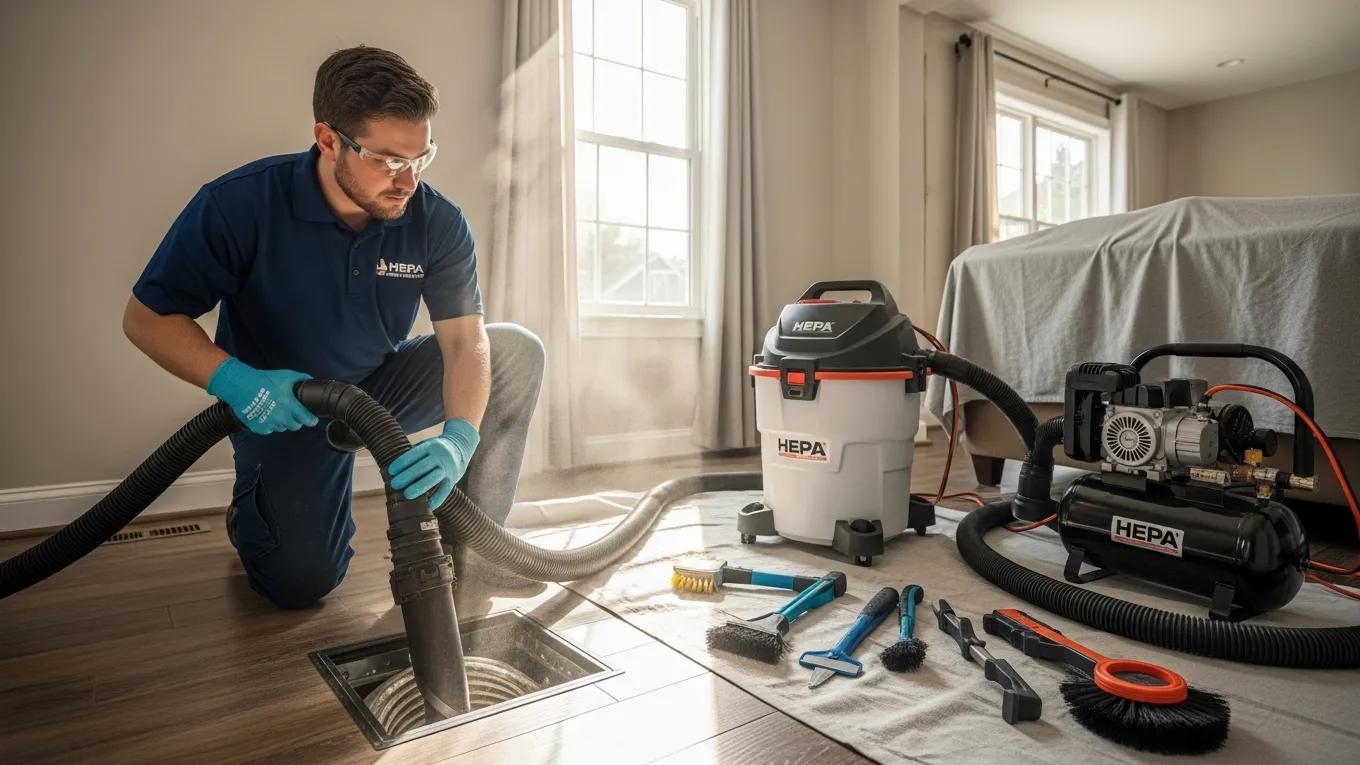
Dust, allergens, and debris accumulate in ducts over time and can degrade indoor air quality. Professional duct cleaning removes these contaminants, improves airflow, and enhances HVAC efficiency. We recommend cleaning ducts every three to five years, or more frequently for homes with pets or allergies. Leyva Refrigeration LLC provides professional duct‑cleaning services to maintain your system’s performance.
Signs that ducts may need attention include visible dust emerging from registers, reduced airflow, or a persistent dusty smell after cleaning. Our professional technicians inspect access points, use industry-standard tools to dislodge and remove settled debris, and check connections for leaks or gaps. After cleaning, homeowners often notice improved airflow and reduced dust accumulation on surfaces; we also recommend follow-up maintenance to sustain those improvements.
Professional HVAC duct cleaning can reduce airborne particulate matter and bioaerosols, contributing to improved indoor air quality.
Change Air Filters:
Regular filter replacement is one of the simplest and most effective ways to improve indoor air quality. Clogged filters restrict airflow and allow pollutants to circulate. Inspect filters monthly and replace them every one to three months, depending on usage and filter type. High‑quality options such as HEPA or activated carbon filters reduce allergens and improve air quality. Leyva Refrigeration LLC can assist in selecting compatible filters for your HVAC system.
When changing filters, note the correct filter size and airflow direction stamped on the frame. Mark the replacement date on the new filter so you can track service intervals. Be mindful that very high-efficiency filters can strain older systems if the unit is not designed for them; consult a technician if you are upgrading filter efficiency. Properly fitted filters improve system efficiency and reduce the chance of bypassed air that carries contaminants around the filter.
Benefits:
Improving indoor air quality delivers clear benefits for health, comfort, and energy efficiency.
- Healthier Living Environment: Enhanced air quality reduces the risk of respiratory issues and allergies, promoting better health for all household members.
- Increased Comfort Levels: Proper humidity and ventilation create a more comfortable living space, reducing discomfort caused by dry air or excessive humidity.
- Energy Efficiency and Cost Savings: A well-maintained HVAC system operates more efficiently, leading to lower energy bills and extended equipment lifespan.
Maintenance Tips:
Regular HVAC maintenance is essential to sustain indoor air quality. Follow these practices to keep your system operating efficiently:
- Schedule regular professional maintenance to ensure your HVAC system is functioning correctly.
- Monitor humidity levels to prevent mold growth and maintain comfort.
- Inspect and seal ductwork to prevent air leaks and improve efficiency.
Use a simple seasonal checklist to keep up with maintenance: in spring check cooling components and change filters, in summer monitor humidity and clean condensate drains, in fall test heating functions and replace filters before heavy use, and in winter watch for drafts and confirm thermostat settings. Small, regular actions reduce the likelihood of emergency repairs and support consistent indoor air quality.
What Are the Main Causes of Poor Indoor Air Quality in Homes?
Poor indoor air quality arises from several sources, including indoor pollutants, inadequate ventilation, and humidity problems.
- Indoor Pollutants: Common pollutants include dust, pet dander, mold, and volatile organic compounds (VOCs) from household products.
- Poor Ventilation: Inadequate airflow can trap pollutants indoors, leading to a buildup of harmful substances.
- Humidity Issues: High humidity can promote mold growth, while low humidity can cause respiratory discomfort.
How Do Indoor Pollutants and Allergens Affect Health and Comfort?
Indoor pollutants worsen allergies and respiratory conditions, causing symptoms such as sneezing, coughing, and difficulty breathing. Prolonged exposure may contribute to chronic health issues, so addressing air quality concerns promptly is important.
Why Is Ventilation Important for Maintaining Healthy Air Indoors?
Ventilation removes stale air and introduces fresh air, helping to control moisture, reduce the risk of mold growth, and improve comfort. Proper ventilation systems can significantly enhance indoor air quality.
How Can HVAC Maintenance Improve Indoor Air Quality and Energy Efficiency?
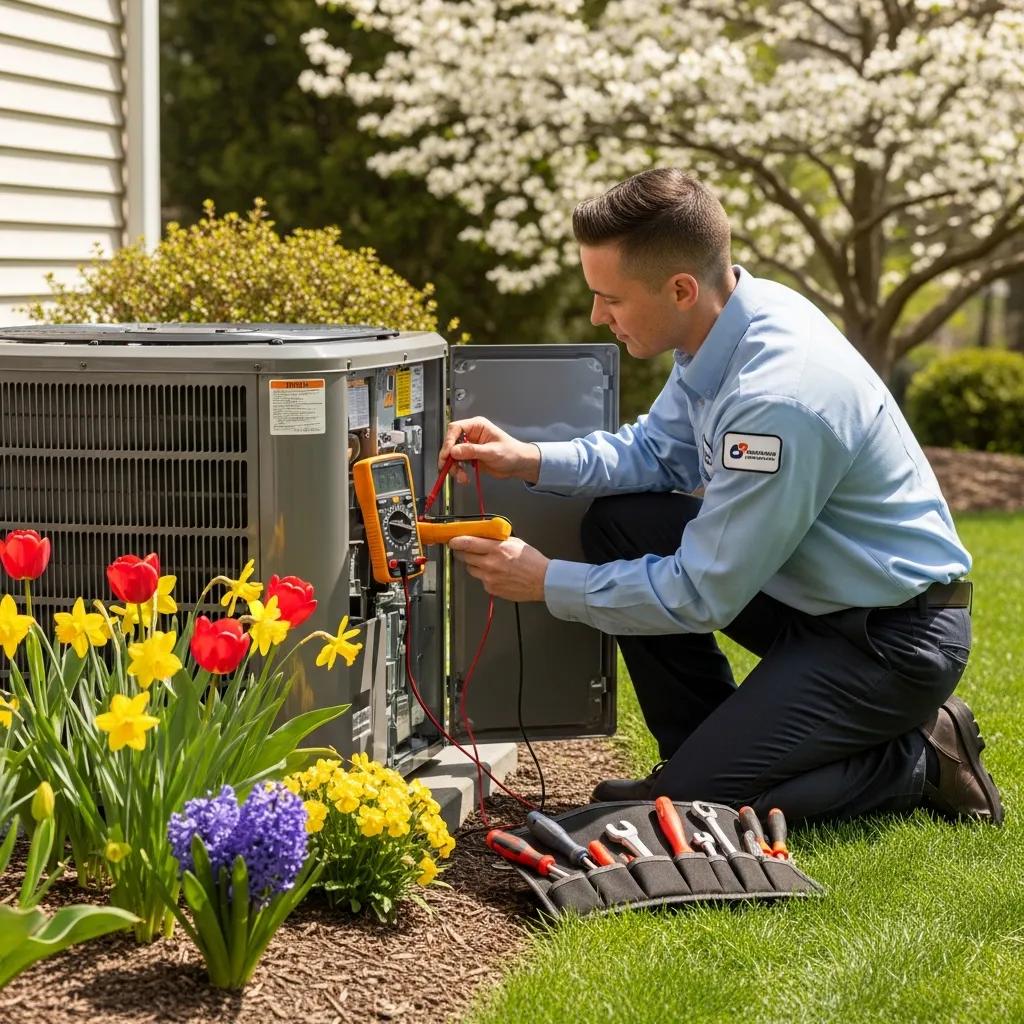
Regular HVAC maintenance ensures systems operate efficiently and effectively. Proper servicing improves filtration, restores airflow, and reduces energy consumption. Leyva Refrigeration LLC offers comprehensive maintenance services to help maintain optimal indoor air quality.
What Are the Benefits of Regular HVAC System Maintenance?
Regular HVAC maintenance provides several advantages, including:
- Improved Indoor Air Quality: Clean systems filter out pollutants and allergens, enhancing the air you breathe.
- Enhanced Energy Efficiency: Well-maintained systems consume less energy, leading to lower utility bills.
- Extended System Lifespan: Regular servicing can prolong the life of your HVAC equipment, saving you money on replacements.
How Often Should HVAC Systems Be Serviced to Optimize Air Quality?
Service HVAC systems at least once a year; homes with pets or high dust levels may benefit from biannual servicing. Regular servicing helps ensure efficient operation and sustained indoor air quality.
Which Air Filtration Solutions Are Most Effective for Reducing Indoor Allergens?
Effective air‑filtration options include:
- HEPA Filters: These filters capture small particles, including allergens, providing superior air quality.
- Activated Carbon Filters: These filters absorb odors and VOCs, improving overall air quality.
- UV-C Air Purifiers: These devices use ultraviolet light to kill bacteria and viruses, enhancing indoor air quality.
What Types of Energy Efficient Air Filters Are Recommended for Homes?
Energy‑efficient filters are designed to capture pollutants while maintaining airflow. Recommended types include:
- MERV-rated Filters: Filters with a Minimum Efficiency Reporting Value (MERV) rating of 8-13 are effective at capturing allergens.
- High-Efficiency Filters: These filters provide superior filtration and are ideal for homes with allergy sufferers.
How Do Home Air Purifier Systems Complement HVAC Air Quality Solutions?
Home air purifiers complement HVAC systems by targeting pollutants that HVAC filters may not capture. Using both systems enables homeowners to achieve improved air quality and greater comfort.
What Are Practical Ways to Improve Ventilation in Your Home?
Practical methods to improve ventilation include:
- Use Exhaust Fans: Install exhaust fans in kitchens and bathrooms to remove excess moisture and odors.
- Open Windows: When weather permits, open windows to allow fresh air to circulate.
- Install Ventilation Systems: Consider mechanical ventilation systems that provide controlled airflow throughout your home.
How Can Natural and Mechanical Ventilation Reduce Indoor Pollutants?
Natural ventilation brings outdoor air indoors, while mechanical ventilation uses fans and ducts to circulate air. Both approaches reduce indoor pollutants by ensuring continuous fresh air, diluting contaminants, and helping maintain comfortable humidity levels.
What Role Do Smart Thermostats Play in Enhancing Indoor Air Quality?
Smart thermostats improve HVAC efficiency by learning occupancy patterns and adjusting temperatures accordingly. Many models also monitor indoor air quality and humidity, providing alerts when conditions deviate. This functionality supports a healthier and more comfortable indoor environment.
How Does Improving Indoor Air Quality Benefit Health and Reduce Energy Costs?
Improved indoor air quality lowers the risk of respiratory issues and allergies. When combined with energy‑efficient HVAC practices, it also reduces utility costs, making IAQ improvements a cost‑effective investment for homeowners.
What Are the Health Advantages of Cleaner Indoor Air?
Cleaner indoor air provides several health benefits, including:
- Reduced Allergy Symptoms: Improved air quality can alleviate symptoms for allergy sufferers.
- Enhanced Respiratory Health: Cleaner air supports lung function and overall respiratory health.
- Better Sleep Quality: Improved air quality can lead to better sleep, enhancing overall well-being.
How Can Energy Efficient Air Filters Lower Utility Bills?
Energy‑efficient air filters improve airflow and reduce the workload on HVAC systems, lowering energy consumption and utility bills. Regular maintenance and timely filter changes maximise these savings.
Why Choose Local HVAC Experts for Indoor Air Quality Solutions in Nogales, AZ?
Local HVAC experts such as Leyva Refrigeration LLC provide solutions tailored to the climate and environmental conditions of Nogales, AZ. Our regional knowledge allows us to recommend appropriate equipment and service plans to improve indoor air quality effectively.
How Does Local Climate Influence HVAC System Optimization?
Local climate affects HVAC performance; in warmer regions systems must work harder to maintain comfort, making energy efficiency essential. Correct system sizing and routine maintenance are important to optimise performance for specific climates.
What Personalized Services Does Leyva Refrigeration LLC Offer for Air Quality?
We provide personalized services to improve indoor air quality, including:
- Air Conditioning Installation: Expert installation of energy-efficient air conditioning systems.
- Duct Cleaning Services: Professional cleaning to remove dust and allergens from your ductwork.
- Indoor Air Quality Assessments: Comprehensive evaluations to identify and address air quality issues.
How Can Homeowners Schedule Professional HVAC and Air Quality Services?
Homeowners should identify their needs and contact Leyva Refrigeration LLC to schedule an appointment. Our team will assess your requirements and recommend tailored solutions to improve indoor air quality.
What Should You Expect During an HVAC Air Quality Service Appointment?
During a service appointment you can expect:
- Initial Assessment: A thorough evaluation of your indoor air quality and HVAC system.
- Inspection and Maintenance: Detailed inspection of components, followed by necessary maintenance to enhance performance.
Our technicians run diagnostic checks, verify airflow and refrigerant levels where applicable, and recommend priority items. We may also demonstrate filter changes or show areas where ventilation can be improved. Clear communication about findings and next steps helps you plan maintenance and understand costs.
Improve Your Home’s Air Quality Today
Contact Leyva Refrigeration LLC to schedule your professional indoor air quality service. Let us help you create a healthier, more comfortable living environment with expert HVAC solutions tailored to your needs in Nogales, AZ.
Frequently Asked Questions
What are the signs of poor indoor air quality?
Common signs include persistent odors, increased allergy symptoms, frequent headaches, and respiratory problems. Excessive dust or visible mold may also indicate poor IAQ. Symptoms such as dry skin or irritated eyes suggest the air quality may be compromised. Monitoring humidity and ensuring adequate ventilation can help identify and address these issues.
How can I test the air quality in my home?
Test indoor air quality with consumer air‑quality monitors that measure pollutants, humidity, and temperature, or hire professionals for a comprehensive assessment. Consumer devices are useful for spotting trends and obvious pollutant spikes, while professional assessments can sample for specific contaminants and provide more detailed analysis. Use testing results to prioritize actions—such as increasing ventilation, replacing filters, or investigating sources of odors.
Are there specific plants that can improve indoor air quality?
Certain houseplants can reduce some indoor toxins and produce oxygen. Spider plants, peace lilies, and snake plants are commonly recommended for removing substances such as formaldehyde and benzene. Plants can complement mechanical filtration and ventilation but should not replace them as the primary IAQ measures.
What is the role of air exchange rates in indoor air quality?
Air exchange rate measures how often indoor air is replaced with outdoor air. Higher exchange rates dilute indoor pollutants and improve air quality, but excessive exchange can increase heating or cooling costs. Mechanical ventilation systems help balance exchange rates to maintain IAQ while managing energy use.
How do cooking and cleaning products affect indoor air quality?
Cooking and cleaning products can release pollutants that affect IAQ. Many household cleaners emit volatile organic compounds (VOCs), and cooking—especially on gas stoves—can produce pollutants such as nitrogen dioxide. To reduce exposure, use low‑VOC products, ventilate during cooking, and operate exhaust fans when needed.
What maintenance practices can help sustain good indoor air quality?
Sustain good IAQ by changing air filters every one to three months, cleaning air ducts every three to five years, and maintaining humidifiers and air purifiers. Schedule annual HVAC inspections to detect issues early. Regular cleaning and proper ventilation also contribute to a healthier indoor environment.
Can indoor air quality impact sleep quality?
Yes. Poor indoor air quality can cause respiratory symptoms, allergies, and general discomfort that disrupt sleep. Nighttime coughing or sneezing can impair rest. Maintaining proper humidity and ensuring adequate ventilation creates a more conducive sleeping environment and supports better overall health.